
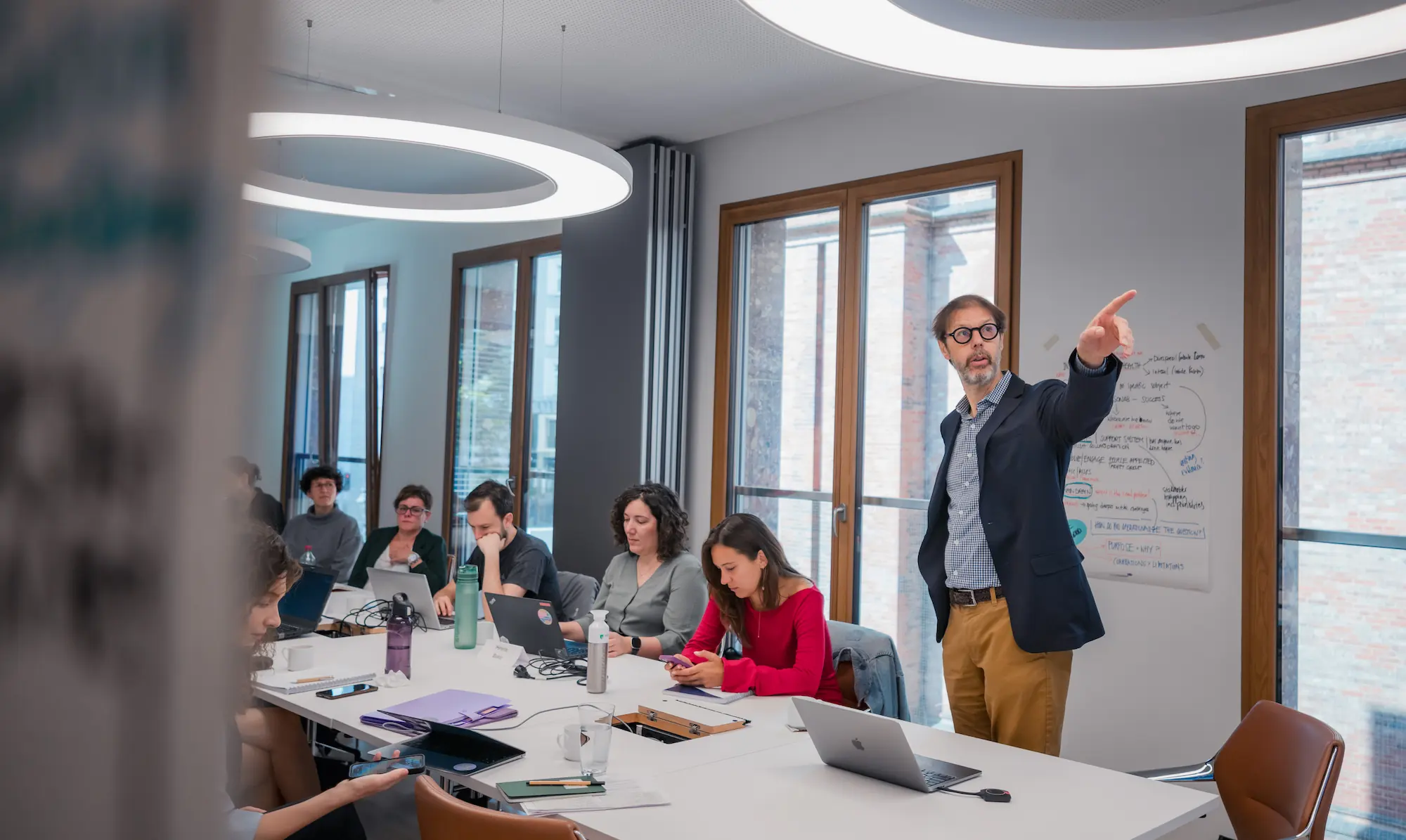
Our Programs
From foundational bootcamps to deep dives, we offer comprehensive training for every stage of your data stewardship journey.
Data Stewardship Foundations
Our flagship, hands-on program for leaders building data stewardship maturity. Learn to define purpose, design trust frameworks, and operationalize stewardship.
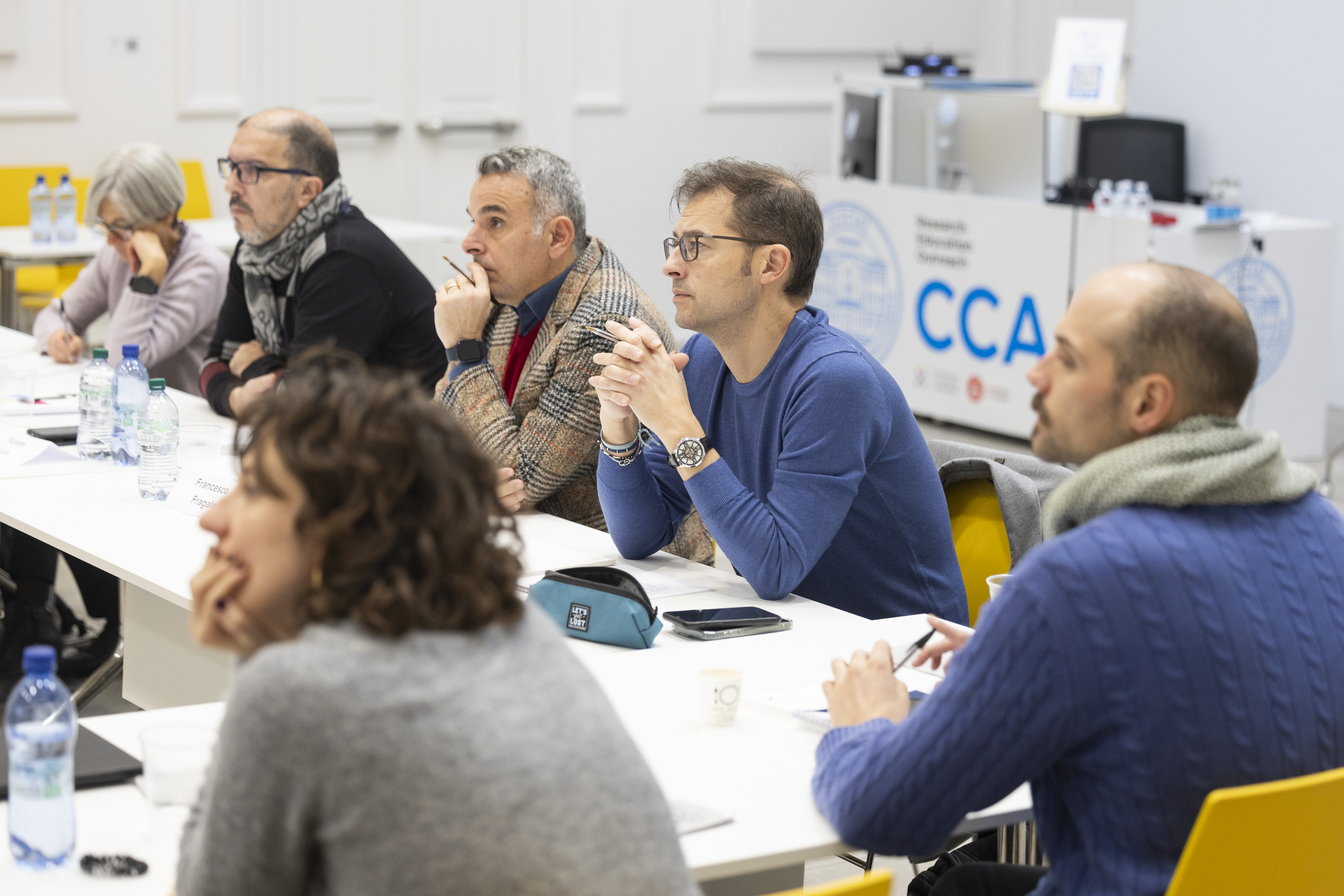
In-Person Intensive
Immersive experience with faculty and peers; includes field visits and a capstone sprint.
Hybrid Bootcamp
Flexible for distributed teams; combines live instruction and collaborative labs.
Online Bootcamp
Global cohort-based, fully remote with recordings and office hours.
LinkedIn Learning
Orientation and pre-work; ideal for team onboarding.
Deep Dives
Coming Soon: Focused one-hour masterclasses for experienced stewards who want to specialize in specific topics. Register your interest and join our wait list for the launch in the coming months.
The Data Stewards Canvas | Stewarding Strategic Data Futures
Ask the Right Questions | Defining Data Questions and Scoping Use Cases
Don't Overcollect | Defining the Minimum Viable Data Points
Stewarding The Data Lifecycle Approach | Step-by-Step Methodology
Beyond the Traditional | Non-Traditional and Synthetic Data
The Missing R in FAIR | Preparing AI-Ready Data towards FAIR-R Principles
Exchange
A vibrant network for practitioners, alumni, and partners to stay engaged and share knowledge.
Datathons
Collaborative sprints where teams tackle data governance challenges using real datasets.
Events & Salons
Keynotes, fireside chats, and panels with global thought leaders in data governance and stewardship.
Trends to Watch
Quarterly briefings on AI governance, data sovereignty, new legal standards, and cross-sector collaborations.
For Organizations
Tailored offerings to institutionalize data stewardship across your organization.
What Our Alumni Say
Join hundreds of data stewards who have transformed their organizations.
Recent News & Updates
2026-10-15T12:00:00
Recapping Monthly Developments in a Changing Data Ecosystem, Non Traditional Data, AI Readiness and 4th Wave of Open Data, Value vs Extraction and more | Data Stewardship Trends to Watch
Led by Stefaan Verhulst, The Data Tank and The GovLab organized the fall session of the Data Stewardship Trends to Watch series. Trends to Watch is a bi-monthly series of webinars organized exclusively for our growing global data stewards alumni to stay updated on the emerging trends in the fields of data stewardship and AI. The September session focused on non-traditional data (smart data), AI readiness and fourth wave of open data, the importance of value amidst AI induced data extraction approaches and the emergence of new tools that can be used to further the common good. In the end, Mark Herringer, a data steward alumni leading the healthsites.io (a recognized digital public good) initiative briefly presented his important work in the health space.
2026-09-28T10:39:00
Introducing the Data Governance Self-Assessment
2026-08-14T14:14:00
Recapping Monthly Developments in a Changing Data Ecosystem, AI-Ready Data, Non-Traditional Data and more | Data Stewardship Trends to Watch
Led by Stefaan Verhulst, The Data Tank and The GovLab organized a summer session of the Data Stewardship Trends to Watch series. Trends to Watch brings together our global data stewards alumni every two months to explore and discuss the latest developments shaping the data stewardship landscape. In this session, we focused on the ways that AI is accelerating the data winter phenomenon and new mechanisms to address this phenomenon—data commons and other intermediary data ecosystems. Participants also considered the increased importance and focus on non-traditional data.